Xytal recently brought together healthcare leaders for a dynamic round table discussion. The session was expertly led by Xytal Advisor, Andy King, bringing together a diverse and experienced group of healthcare leaders including Clinical Directors, GP partners and Primary Care Network representatives to explore the realities of driving digital transformation across primary care. The discussion was honest, energising and focused on practical solutions.
Culture and change matter as much as technology
One clear message stood out above all: digital transformation must be led by people. Delegates agreed that technology alone cannot achieve lasting change. What really makes the difference is our teams, their skills and the shared sense of purpose that guides their work.
There was broad consensus that up to 50% of any implementation budget must go towards training and cultural change. This is not a nice to have; it is an essential investment. Without it, new tools may be introduced but they will not be adopted, adapted or sustained.
Many participants spoke frankly about the capacity challenges they face. Time is the most precious resource and clinical teams cannot be expected to integrate new tools successfully without protected learning time and dedicated support. One delegate noted, “We often make decisions too quickly because of funding deadlines. If we slowed down and involved our teams from the outset, we would make better choices that last.”
Understanding and overcoming barriers
We also heard about the persistent barriers that inhibit digital progress. Some of the most frequently raised challenges included:
- Wide variations in digital skills across teams and patients.
- Outdated IT infrastructure and poor internet connections that make even the basic tools feel clunky and unreliable.
- Poor interoperability between primary and secondary care systems, creating inefficiency and duplication.
- Patient accessibility and equity, especially for those who not speak English, do not use smartphones or have sensory impairments.
Despite these hurdles, what came through was a strong commitment to making digitalisation work. Delegates spoke passionately about person centred solutions, often sharing stories of practices that had successfully adopted new tools like Accurx or introduced new triage processes after involving their teams and patients early in the design.
As one Clinical Director put it, “When we took the time to listen to our patients and administrative team before choosing a tool, the implementation was smoother and the impact was greater. Engagement is key.”
Strong leadership and clear governance
A strong recurring theme was the need for clear leadership and governance at every level of the system. Many delegates expressed concern about the lack of consistent national guidance around digital tools and interoperability and the impact this was having on local decisions.
There was also agreement that involving frontline teams in decision making was vital. These teams bring practical insight into day to day processes and often identify quick wins or risks that more senior leaders may overlook.
That is why our facilitation focused on hearing every voice. Delegates recognised that the most successful innovations had involved those who do the work, Practice Managers, Administrative teams and Receptionists, as co-creators of change.
Investing in sustainability
There was also an insightful debate around funding and sustainability. Delegates acknowledged that short term project funding can drive rapid implementation but rarely accounts for ongoing training, system maintenance or adaptation as new patient needs emerge.
As one GP partner shared, “We need investment that supports us to build long term digital capability — not just a burst of funding that disappears after six months. Sustainable change requires sustained commitment.”
The group concluded that shared digital infrastructure and strategic procurement would help reduce the sense of fragmentation that many practices feel. Delegates spoke enthusiastically about the potential for Primary Care Networks to leverage economies of scale and a unified digital strategy that benefits everyone.
A shared vision for the future
As the conversation drew to a close, we invited delegates to look ahead. What would success look like if they could wave a magic wand and fast forward to 2027? The answers were inspiring:
- Fully interoperable primary and secondary care records, so we never duplicate again.
- Seamless patient pathways across all care settings.
- Efficient use of AI tools to reduce the administration burden, so we can focus on people, not paperwork.
- Patients who feel confident using digital tools, supported by practices that offer clear guidance, multiple channels and human support when they need it.
Moving forward together
Our round table at the Primary Care Transformation event left us feeling energised and optimistic. Digitalisation can and will deliver its full potential when it is approached as a collaborative, purpose driven effort that is led by people who truly understand healthcare.
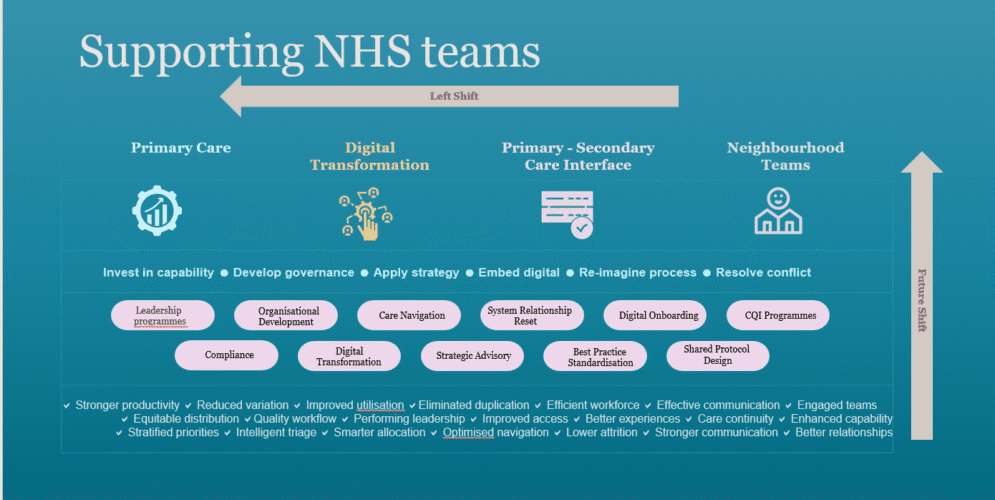
Xytal support with creating the culture, leadership and processes that enable your teams to embrace digital tools with confidence so that your patients benefit from safer, more effective and more accessible care.
As one delegate put it perfectly, “When we do this right, technology disappears into the background and care takes centre stage.”
Download our full report here.