Background
Cricketfield Surgery provides care for more than 10,300 patients across a diverse community with varying levels of digital confidence, health literacy, and access to online services.
When the Practice Manager joined the surgery in May 2025, the team was already working hard to stabilise significant operational pressures. A great deal of improvement work had already begun internally, but there was a growing recognition that communication, patient access, and operational processes needed a more structured and coordinated approach.
The practice wanted to create clearer routes for patients to access support, reduce avoidable demand, and improve consistency across the team without compromising equitable access for patients who still relied on phone or face to face contact.
The challenge
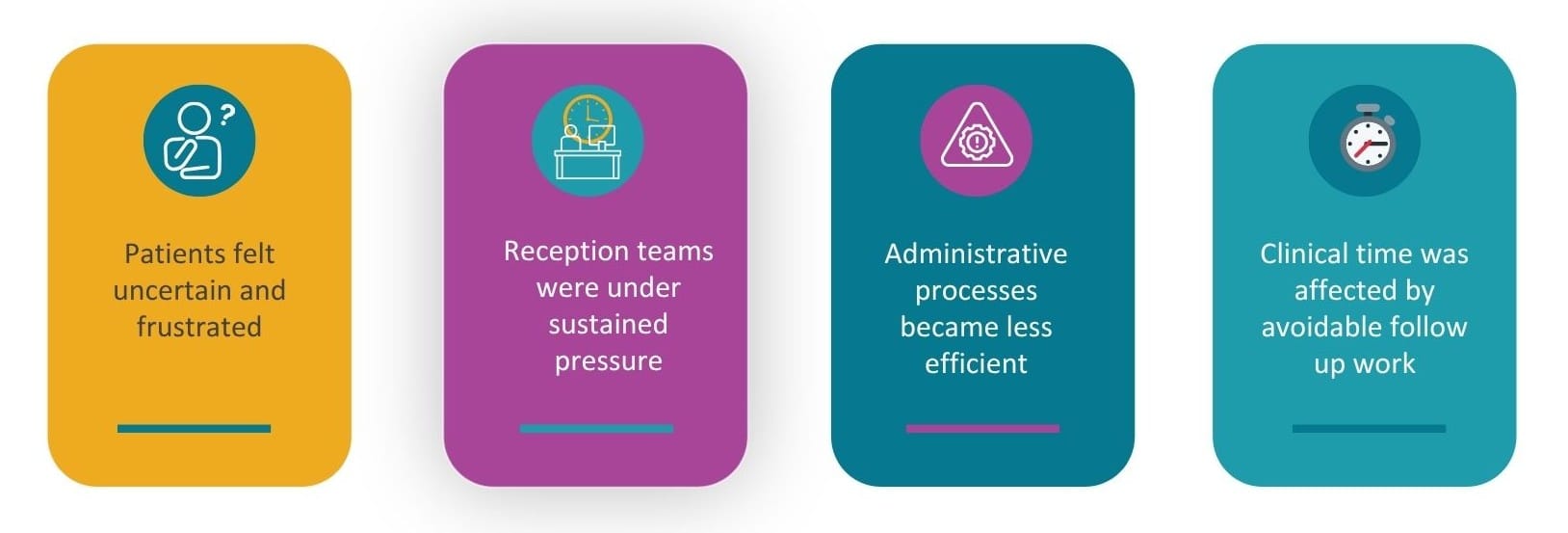
Communication across the practice had become largely reactive, with reception teams acting as the main point of contact for a wide range of patient queries.
Patients were often contacting the surgery to ask how to get an appointment, order prescriptions, or understand which service they needed. This created high volumes of repeat and avoidable contact, increased pressure on reception teams, and reduced consistency in how information was shared across the practice.
As demand continued to grow, the impact was felt across both administrative and clinical teams, with avoidable follow up activity adding further pressure to day to day operations
Our approach
Xytal worked alongside the practice to review ways of working and support the team through practical facilitation and implementation support.
The focus was not simply on introducing new digital tools. Instead, the work centred on understanding patient behaviour, identifying avoidable demand, and improving how information was shared across the practice.
Through regular facilitated sessions, the team reviewed data, mapped patient journeys, assessed communication channels, and prioritised realistic changes that could improve both patient experience and operational flow.
“You have given us a much needed ‘slow down and think about it’ approach, whereas I used to use a much more ‘tick things off on a list’ approach.”
What changed
Improving patient communication
The practice focused first on the areas creating the highest levels of avoidable patient contact, particularly around appointments, prescriptions, and understanding how to access the right service.
Website content was redesigned to make information easier to find and simpler to understand. Key pages were restructured, navigation was improved, and clearer signposting was introduced to help patients access the right support more quickly and confidently.
Communication across the surgery also became more visible and consistent. Updated waiting room messaging, clearer internal communication, and the introduction of a “You said, we did” board helped reinforce key messages and reduce confusion for patients contacting the practice.
As a result, patients began arriving better informed, helping create more focused and efficient conversations at reception.
Improving digital access
The practice wanted digital access to feel clearer and more supportive rather than simply encouraging more online activity.
To support this, language across the website was simplified, jargon was reduced, and clearer access routes were created to help patients understand which service they needed and how to access it.
A new resource library was developed alongside an interactive “Supporting you to access the right care” tool, helping patients navigate services more independently.
One early improvement to the prescriptions page alone led to a noticeable reduction in related patient queries, demonstrating the impact clearer communication could have on day to day demand.
Building engagement through social media
Social media became an increasingly important communication channel for the practice, helping reinforce messages, share updates, and strengthen patient engagement.
Over time, the practice shared more than 125 posts, generating over 95,000 views and more than 1,400 interactions.
Content featuring staff, practical updates, and everyday practice life proved particularly effective in helping patients feel more connected to the surgery and more informed about how services worked.
One patient reflected:
“I really enjoy the surgery’s posts… they make me feel part of the Cricketfield community.”
Results
Alongside a clear reduction in incoming demand, the practice also saw wider improvements in how patients accessed care and interacted with services.
Reduced phone demand
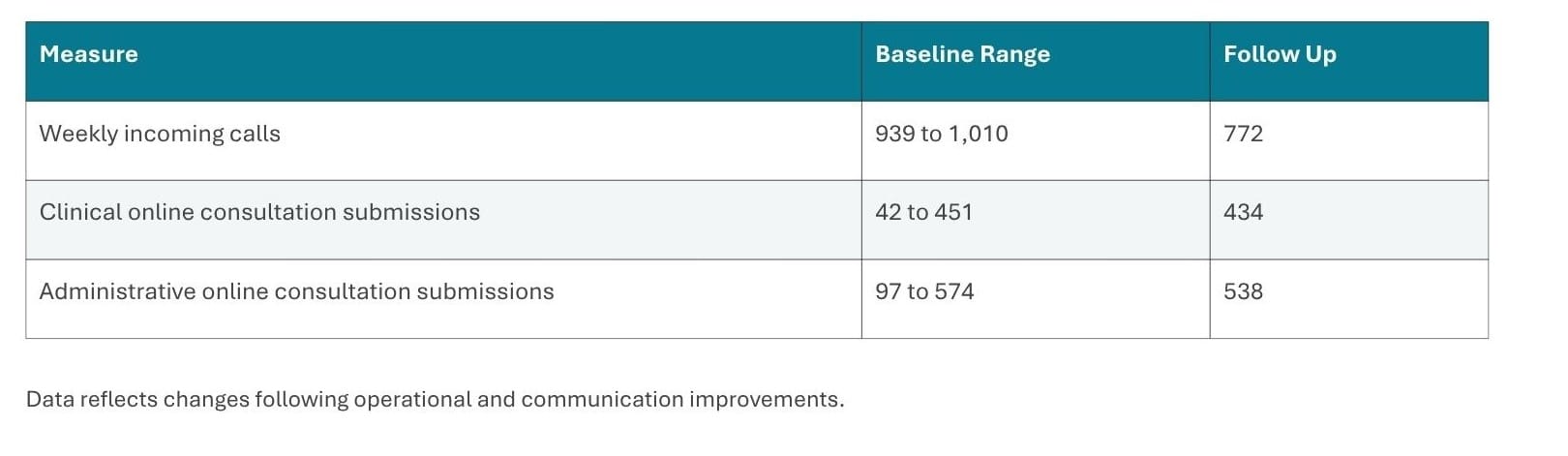
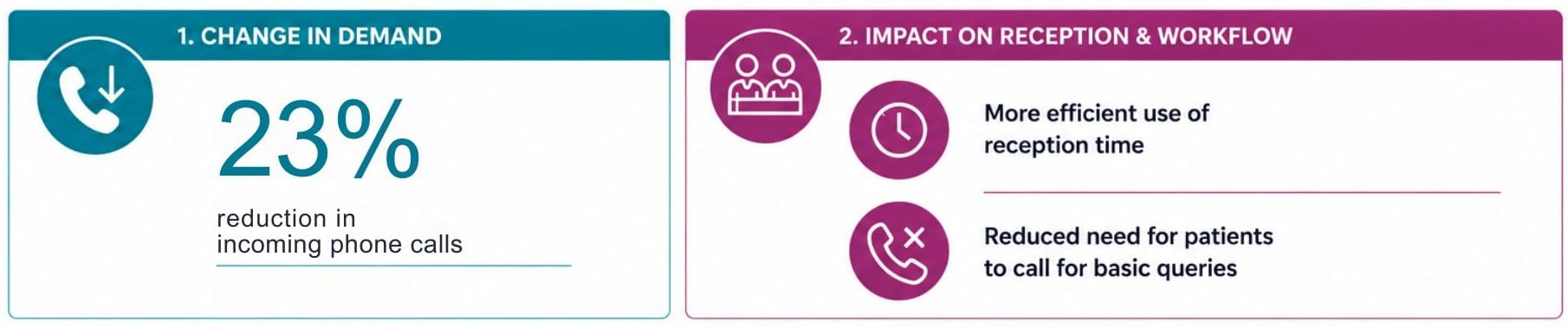
Weekly incoming calls reduced from over 1,000 calls per week at baseline to 772 at follow up, representing a significant reduction in incoming phone demand.
The practice began seeing noticeable improvements within two to three months, with changes continuing to build over time.
A shift in demand and access:
- Fewer repeat and avoidable queries, particularly for prescriptions and administrative requests
- More appropriate use of care pathways
- Better signposting and patient understanding
- Reduced reliance on the phone as the default contact method
More effective use of digital tools:
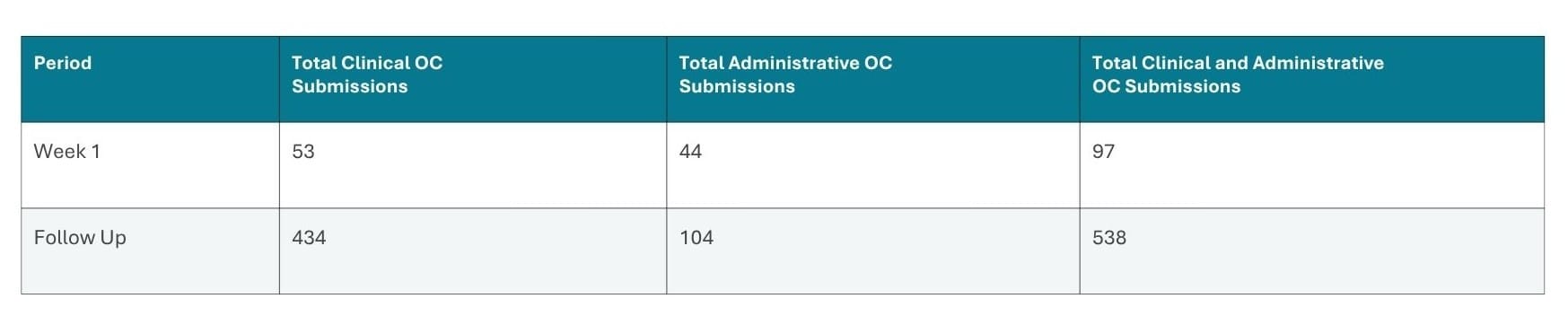
- 454.6% increase in completion of online forms and requests
- Patients accessing the correct information or service first time
- Digital usage becoming more effective rather than simply increasing
Operational Improvements
The work also supported wider operational improvements across the practice, including:
- Reduction in follow up waiting lists from nearly 300 patients to around 100
- Better management of repeat follow up activity
- Introduction of pre appointment questionnaires
- Improved routing of medication and cholesterol queries to pharmacists where appropriate
- Improved task management processes
- Reduced paper prescription requests and repeat administrative handling
This helped release clinical and nursing capacity while reducing avoidable workload.
Reflections
One of the strongest outcomes from the work was the recognition that relatively small, well coordinated changes could create meaningful operational impact when supported by consistent facilitation, reflection, and team engagement.
Key lessons included:
- Clear communication reduces avoidable demand
- Patients engage more positively when access routes are easy to understand
- Sustainable improvement works best when teams help shape the change themselves
“I also really enjoy seeing positive posts about the staff, it helps to see them as ‘real people’ and not just names behind a door or screen!”
Looking ahead
The practice is continuing to build on this work, with future priorities including:
- Expanding preventative health messaging
- Improving digital accessibility
- Strengthening patient engagement
- Developing more practice led content, including video
Read the full case study here
About Xytal
Xytal Healthcare Consultancy supports healthcare teams across the NHS to improve ways of working, strengthen operational delivery, and create sustainable change.
Through practical facilitation, leadership support, process improvement, and digital transformation, Xytal works alongside teams to help improve patient experience, staff experience, and service performance.